
The Cost of Waking Up With Idiopathic Hypersomnia

Today I got home from work and was more exhausted than I’ve been in many months.
I was simultaneously frustrated and understanding of this experience, knowing that I had been riding a month-long high of sustained energy that always dips, and knowing that travel of any sort was going to significantly set me back.
I had traveled home to Pennsylvania for the holidays and despite every attempt to make this transition as seamless as possible, travel always means I’m going to be catching up on sleep and energy for about 2 weeks after I return.
This is the reality of living with idiopathic hypersomnia.
How idiopathic hypersomnia is different from average fatigue
For the average person, I assume that even if they wake up tired, their energy may peak throughout the day or it might only take them a day or two to get back into their routine.

Living with IH is not like this at all. Your energy does not return and often slumps to newer lows.
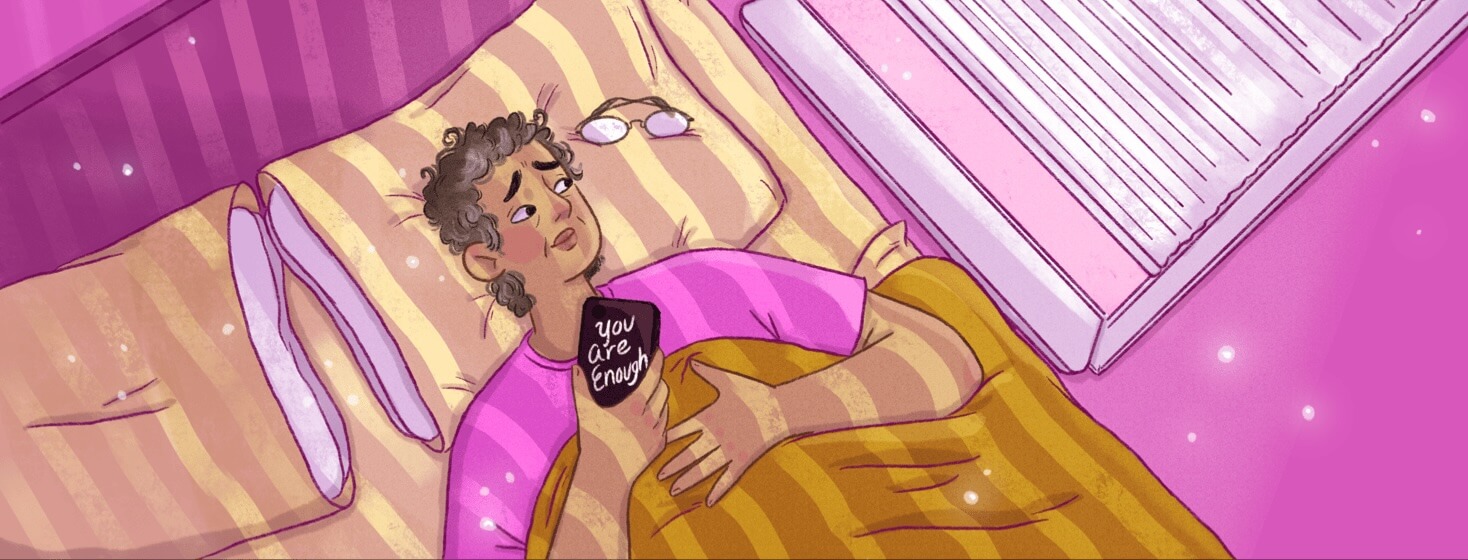
For me, waking up every morning is extremely challenging. This is not only physically hard but also difficult mentally and emotionally. Every morning I have to give myself the most incredible motivational and inspirational sermon and like a ventriloquist, manipulate my limbs into a vertical position.
The first 30 minutes of waking up feels like a blurred border between my reality and dream-state. I have to re-remember how to use my body and my brain feels like it’s underwater and intoxicated (despite not having any alcohol in my system).
Living with idiopathic hypersomnia can change identity
Before my diagnosis I used to think my inability to wake up was due to weak will.
I would beat myself up about not being able to get out of bed, setting a million alarms and sleeping through them all.
IH can distort your sense of identity and I noticed how I began to internalize identities that weren’t actually true. I’m not actually a lazy person, and never have been.
What managing energy feels like with idiopathic hypersomnia
I tend to think of my energy in terms of energy “credits” and once I use them, it takes a long time to build them back up. I also have to think strategically about how to use them.
I might have four events during the week and know my “credits” will only allow for two.
I have to decide if those two events are worth my energy. Sometimes I can’t anticipate things that come up and use those credits up and then I’m too tired to follow through with the commitments I made.
I used to imagine being able to “Venmo” request energy from my friends. If only!
Is living a "normal" life with idiopathic hypersomnia possible?
While writing this, I realize that I have never actually explained this idea of energy credits to my friends or my family. I think a lot of people with IH live with immense shame around their diagnosis. Shame that they can’t show up in the ways they want to or the ways they said they could.
Personally, I’ve questioned whether it is feasible for me to ever have kids or a family. How can I possibly be a parent when I don’t have enough energy to care for myself?
There is a grief I think many of us with chronic illness go through. A grief for the lives we envisioned for ourselves despite our greatest attempts to stay positive and press on.
Join the conversation